
Business and Operational Modeling
We map how pricing, inventory, fulfillment, finance, and customer data flow across systems. The mapping identifies friction points and areas where integration or workflow design is critical.
Ecommerce strategy and architecture is the structured process of defining system relationships, integration dependencies, and data governance before a commerce platform is selected or deployed. Platform selection, integration design, data modeling, and infrastructure decisions shape how well commerce systems scale, adapt, and support evolving business requirements.
Snapshot Design provides ecommerce strategy and architecture services that help organizations design integrated commerce ecosystems. We work with business leaders and technical teams to define requirements, evaluate system dependencies, and architect solutions that support reliability, performance, and operational alignment.
Some ecommerce initiatives can move forward without a full architectural review. Structured planning becomes essential when:
In these scenarios, incremental changes introduce risk. Architecture planning reduces that risk by establishing a clear system framework before implementation of your BigCommerce, Shopify, Shopware, or SuiteCommerce system begins.


A systems-first approach
Our architecture engagements focus on system relationships rather than individual features:
We map how pricing, inventory, fulfillment, finance, and customer data flow across systems. The mapping identifies friction points and areas where integration or workflow design is critical.
We define which system owns specific data elements such as product records, pricing logic, customer information, and inventory availability. Clear ownership reduces duplication and reconciliation issues.
We evaluate integration approaches, including API-based connections, integration platforms (iPaaS) such as Celigo or Patchworks, and custom integration services. The evaluation includes defining the synchronization frequency, error-handling logic, and scalability thresholds.
We assess hosting environments, traffic expectations, security considerations, and compliance requirements to help confirm infrastructure can support projected growth.
We identify potential technical debt, fragile dependencies, or operational bottlenecks before implementation begins.
Snapshot's framework helps keep ecommerce architecture decisions intentional.
For many organizations, ecommerce is tightly connected to ERP systems such as NetSuite. Architectural planning must address:
As a NetSuite Alliance Partner, Snapshot designs ERP and ecommerce integration architecture that supports backend alignment without overcomplicating the system landscape.
Architecture requirements vary depending on how customers transact.
Snapshot evaluates these structural differences and designs commerce systems around the model, or combination of models, each business uses.
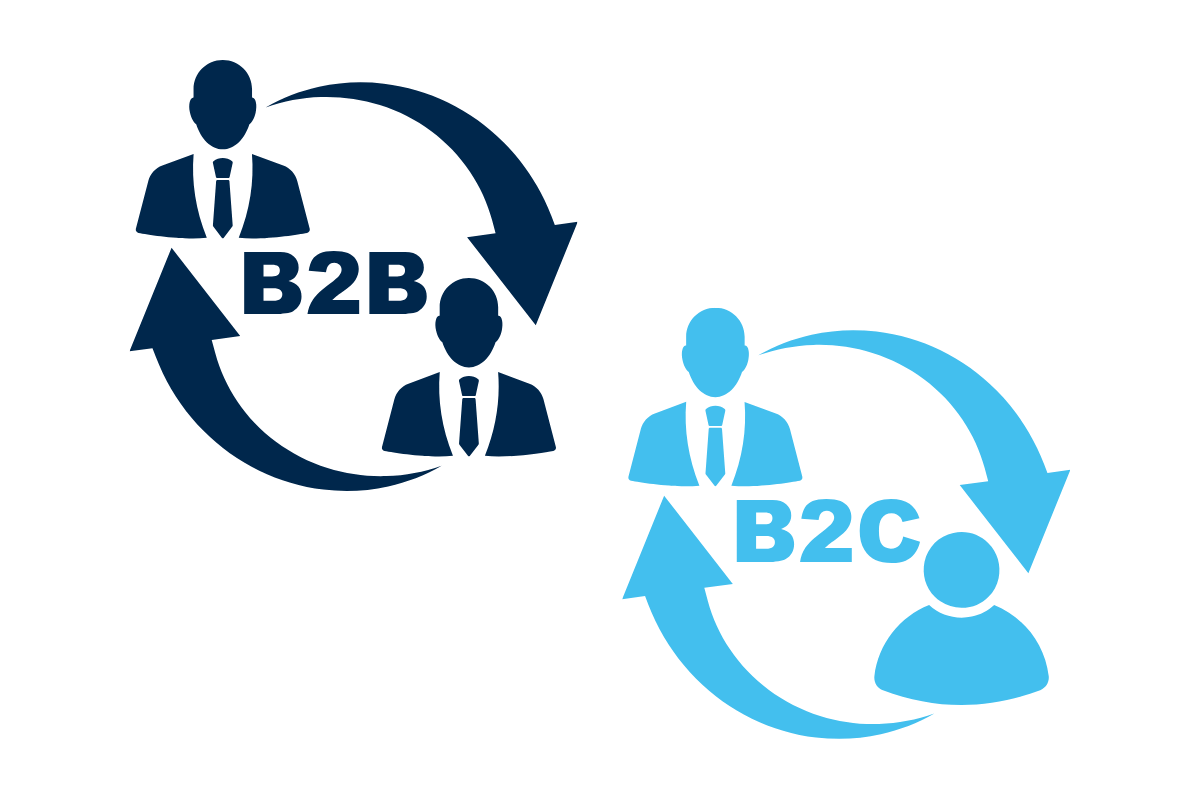
For direct-to-consumer models, architectural emphasis often includes scalability under marketing traffic, payment processing resilience, and integration with marketing automation systems.
For B2B organizations, architecture must accommodate account-specific pricing, contract terms, multi-user accounts, and purchasing approval workflows.
Hybrid organizations require unified data models and flexible workflows that support both business models within a single ecosystem.

Modern ecommerce ecosystems often rely on middleware to manage system complexity.
Snapshot evaluates and implements integration platforms such as Celigo and Patchworks when appropriate. In other cases, direct API connections or custom integration layers may be more suitable.
Architecture planning considers:
The goal is to reduce fragile point-to-point integrations and replace them with structured, maintainable integration frameworks.
Clean architecture is a foundation for automation and applied AI.
When data models are standardized and integration flows are reliable, organizations can:
Ecommerce architecture influences the quality of the data that feeds downstream analytics and AI initiatives.

Snapshot’s strategy engagements typically produce:
These deliverables provide clarity for executive stakeholders and technical teams alike.
We assess platforms based on business fit alone. We have extensive experience working with businesses in industries such as Agricultural Supply; Apparel, Footwear & Accessories; Automotive Parts Distributors & Suppliers; Commercial Landscaping; Construction & Building Supply; Consumer Goods; Food & Beverage Distribution; HVAC, Plumbing & Electrical Supply; Industrial Distribution; and Landscape Supply.
With 25 years in business and 12-plus years as a NetSuite Alliance Partner, we understand how commerce must align with finance and operations. Read our case studies for examples.
Our team bridges executive strategy and technical execution.
We prioritize scalability and system integrity over short-term convenience.

25years in business
12+years as a NetSuite Alliance Partner
Selecting a platform before mapping your operational requirements can lead to costly rework in ecommerce implementation. Platform capabilities look similar on a feature comparison sheet until you pressure-test them against your actual workflows: how pricing is structured, where inventory is managed, how orders flow into fulfillment, and what your ERP or back-office systems expect on the receiving end. Architecture planning answers those questions before a platform decision is made, so the selection is based on how well each platform fits your operations. Businesses that skip this step can find themselves mid-implementation discovering that the platform requires significant custom development to do something their operations depend on daily.
Snapshot can lead integration and backend architecture while a separate agency manages creative direction, UX, and front-end design. The two scopes are distinct enough that they can run in parallel without overlap, provided both teams are working from the same technical specifications and aligned on the data model early. Where this arrangement breaks down is when the design team makes decisions that carry back-end implications, such as how product data is structured, how pricing displays, or how customer accounts behave, without looping in the architecture team. Snapshot manages that coordination intentionally so that front-end choices and back-end capabilities stay in sync throughout the engagement.
Timing depends on scope: the number of platforms under evaluation, the systems involved, and the integrations the architecture needs to cover. Engagements with multiple integration points, hybrid business models, or significant data migration considerations involve more work than a single platform decision. The amount of operational documentation already available when the engagement begins also affects the schedule. Snapshot scopes each engagement before work begins so the timeline, deliverables, and decision checkpoints are defined up front.
Growing organizations benefit from architectural planning earlier than most expect. Midmarket companies that make platform and integration decisions quickly during an early growth phase may need to revisit those decisions once volume, complexity, or a new ERP puts pressure on the original setup. Planning the architecture at the start of a scaling phase gives those decisions a documented foundation before problems appear.